Image analysis
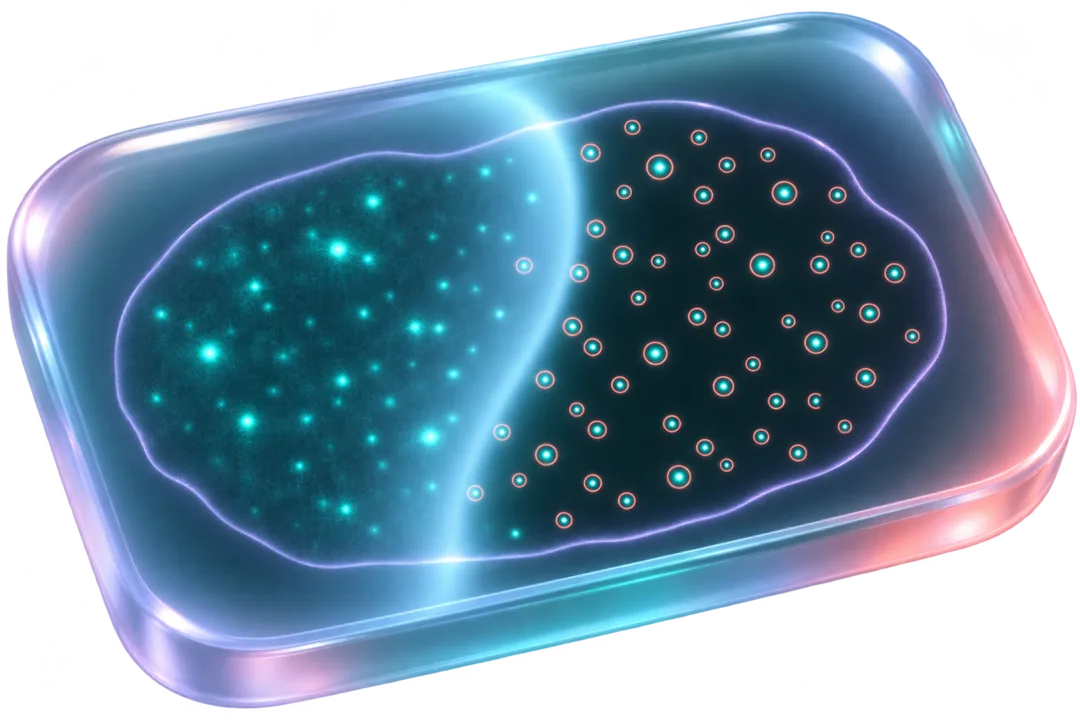
U-FISH
Find the signal. Keep the detail.
Spot detection for FISH images of any background, in 2D and 3D.
Genome Biology · 2025 U-Science
General-purpose tools for science, built in the open.
Projects
Image analysis
Find the signal. Keep the detail.
Spot detection for FISH images of any background, in 2D and 3D.
Genome Biology · 2025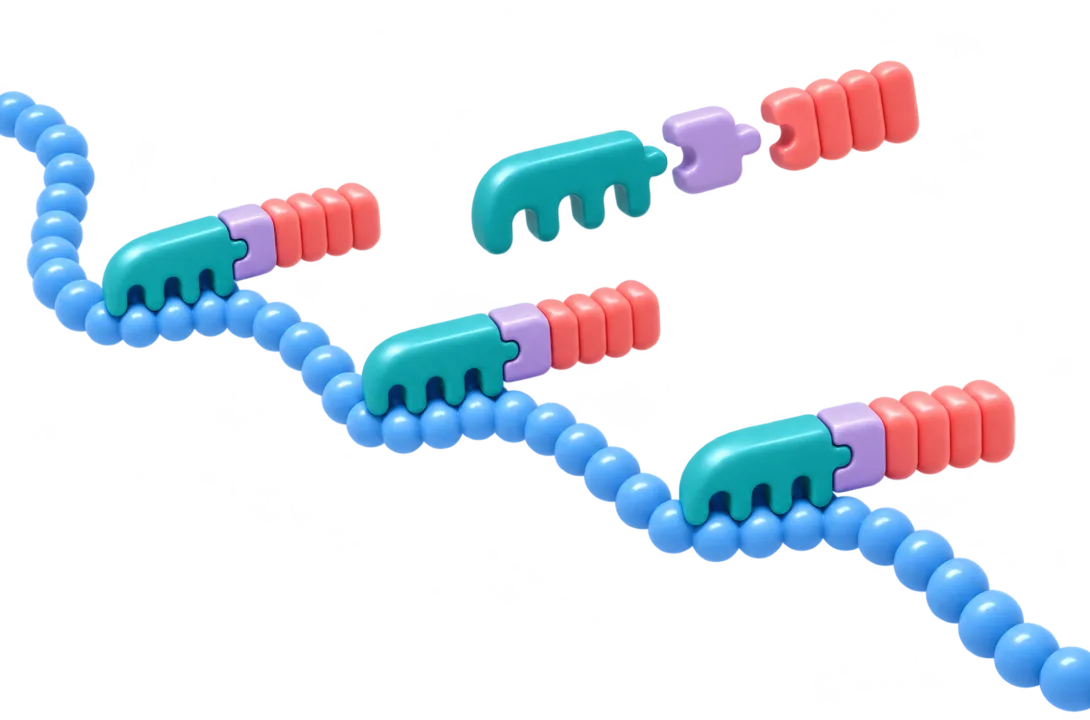
Probe design
Your experiment. Your probe architecture.
Describe probe parts in YAML; U-Probe assembles and checks the candidates.
bioRxiv · Preprint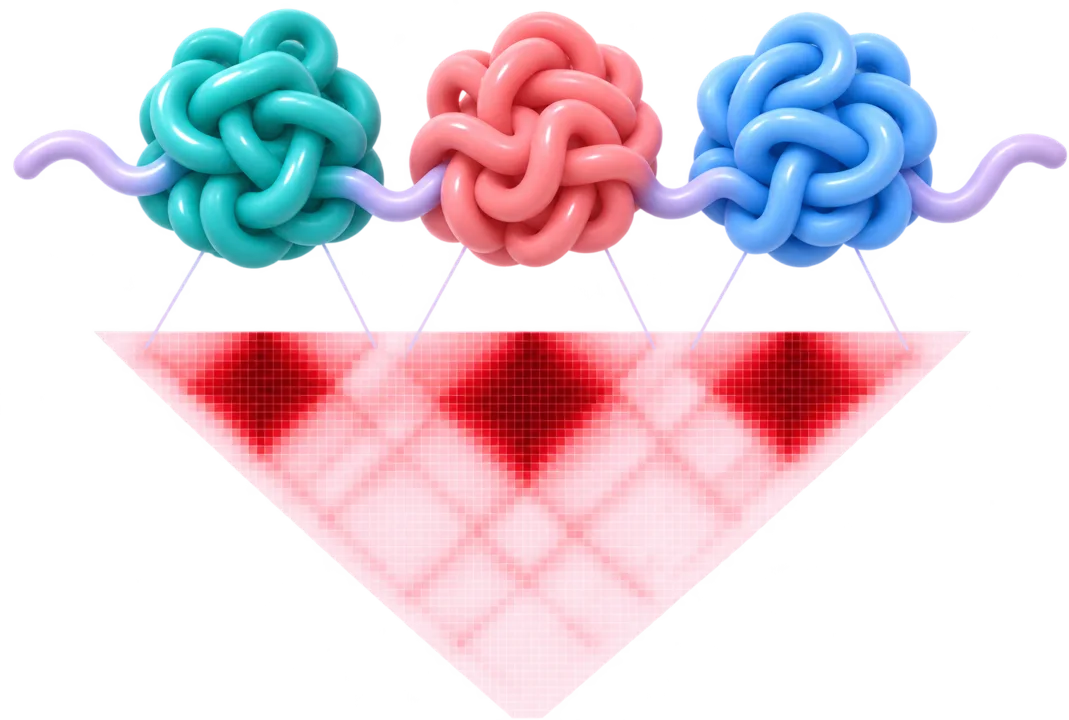
3D genome
Every 3D genome assay. One toolkit.
Chromatin tracing, seqFISH+ and Hi-C of every kind in one data model.
bioRxiv · PreprintMission
Research moves faster than the tools built for one experiment. We build general tools that fit the problem, that anyone can use, and that people and AI agents can run alike.
The “U” in each name. Built for a whole class of problems, not one dataset or one protocol.
Open source on GitHub, with documentation, tutorials and a paper behind each tool.
U-Probe and U-Chrom ship skills, so coding agents such as Claude Code and Codex can use them.
About
U-Science builds general-purpose, open-source tools for science. Each starts from a real research question, comes with a paper, and stays open for others to build on. Our first tools are for imaging and genomics; the aim is wider.
Questions, bugs and ideas are welcome as issues on each project’s GitHub.
github.com/u-science-labShared working documents are access-controlled and not hosted here. Please contact the project collaborators for access.